Serving Orcutt, CA and surrounding areas. (805) 269-8567
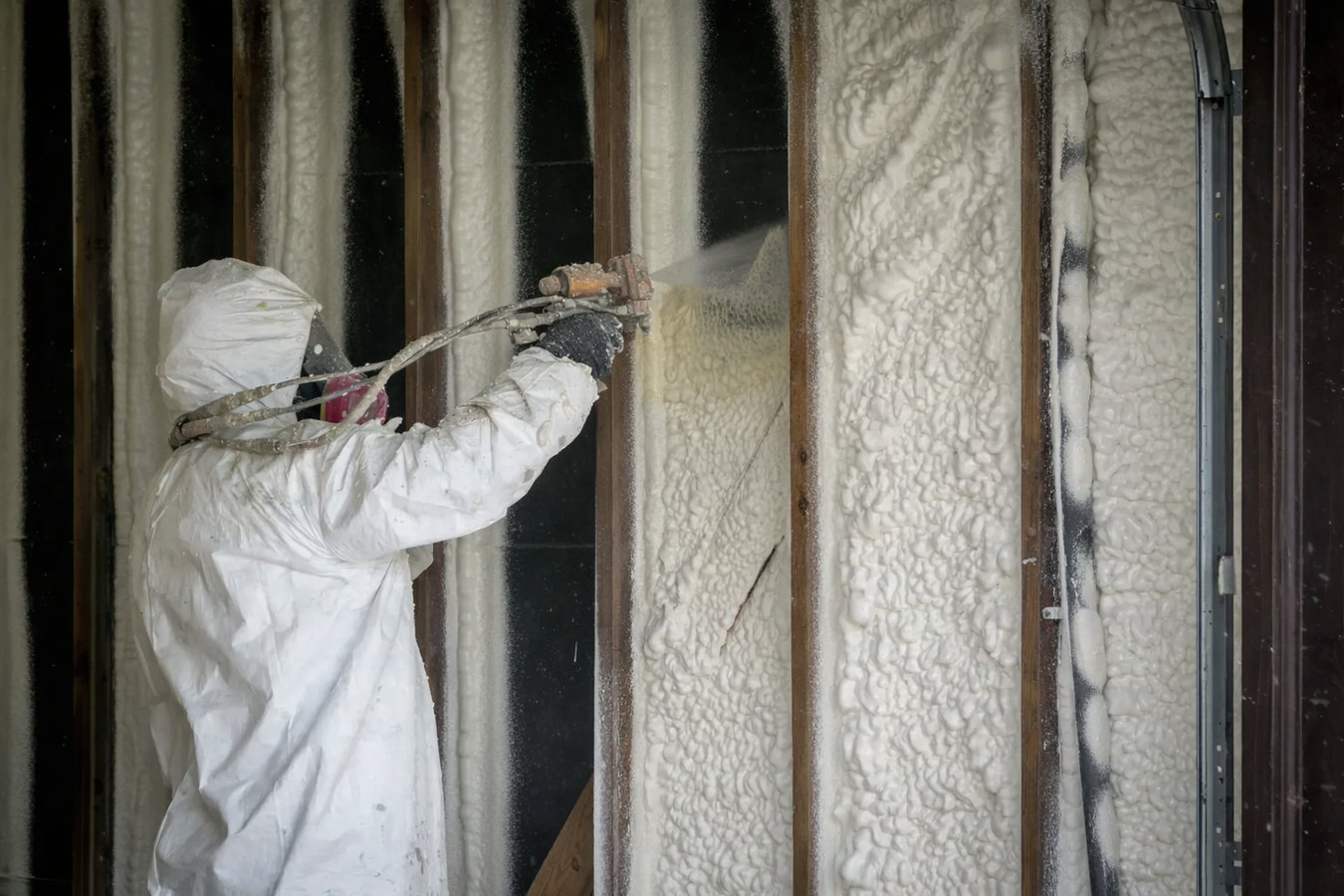
Orcutt Insulation provides spray foam insulation, attic upgrades, and crawl space moisture control to Vandenberg Village, CA, serving owner-occupied homes built in the 1960s and 1970s near Vandenberg Space Force Base. We reply within one business day.
The coastal marine layer reaches Vandenberg Village most mornings, and homes from the 1960s and 1970s are particularly exposed to the moisture it brings. Our spray foam insulation seals crawl spaces, rim joists, and attic penetrations in one application - blocking both heat loss and the humidity that causes rot and mold in older construction.
Original fiberglass batt insulation in Vandenberg Village attics has often compressed to a thin layer after 50 or 60 years, providing a fraction of the coverage it once did. Bringing attic insulation up to current standards is the single highest-impact upgrade most homes in this neighborhood can make for energy savings.
Vandenberg Village sits about ten miles from the Pacific, and ground moisture under homes here is a genuine concern - especially in the older single-story ranch homes with vented crawl spaces. Insulating the crawl space walls and floor keeps that moisture from affecting the living areas above and protects the wood framing from long-term rot.
The afternoon winds off the Pacific are a consistent feature of Vandenberg Village summers, and homes with empty wall cavities feel every degree of that wind-driven temperature drop. Adding insulation to exterior walls - especially on the west-facing sides of homes that catch the wind - makes a noticeable difference in how comfortable those rooms feel in the afternoon.
Stucco exteriors on homes from this era develop hairline cracks around windows, corners, and penetrations over time, and those cracks let both air and moisture into the building envelope. Air sealing those gaps at the attic and crawl space level - where most conditioned air actually escapes - is often the most cost-effective first step before adding new insulation material.
Homes in Vandenberg Village that have mature trees planted close to the foundation deal with root activity that can displace vapor barriers and crack concrete near crawl space vents. A properly installed vapor barrier - anchored and sealed at the edges - stops ground moisture at the source and protects floor framing from the humidity that accumulates in unprotected crawl spaces.
Vandenberg Village was built as a planned residential community in the 1960s and 1970s to house military families and civilian workers near Vandenberg Space Force Base. That origin means almost the entire housing stock here falls within a narrow age range - and homes built during that era share the same limitations. Wall cavities were rarely insulated. Attic coverage, if it existed at all, was minimal by today's standards. Crawl spaces were left open to the ground with nothing more than a basic vent system. These were the norms of the time, and most homes in Vandenberg Village are still operating on those original specifications.
The local climate intensifies those deficiencies. Vandenberg Village sits about ten miles from the Pacific, and the marine layer rolls in from the coast most mornings - keeping surfaces damp and slowly working moisture into any gap it can find. Persistent afternoon winds off the ocean accelerate wear on roofing materials and stucco exteriors, and those same winds drive cold air through any unsealed opening in the building envelope. Homes here that have never had an insulation or air sealing upgrade are fighting the climate with equipment that was never adequate for the job.
Our crew works throughout Vandenberg Village regularly, and we understand the local conditions that affect insulation work here. Because Vandenberg Village is an unincorporated community, permits for insulation projects come through the Santa Barbara County Planning and Development Department, not a city office - and we are familiar with that process. The homes here are predominantly single-story ranch designs on standard suburban lots, with stucco exteriors and low-pitched roofs that are consistent enough that we rarely encounter surprises when we arrive on-site.
The community is compact and well-organized, with most of the residential streets running in a grid north of Lompoc along Highway 1. Many of the mature trees planted in front yards when these homes were first built are now large enough to displace sidewalks and affect drainage around foundations - a detail that matters when we are assessing crawl space conditions. The Lompoc Valley's flower seed farms are visible from the eastern edges of the neighborhood, and the open fields nearby mean homes on the perimeter deal with more dust and pest pressure than homes deeper in the community.
We also serve Lompoc directly to the south, where the housing stock shares many of the same characteristics as Vandenberg Village. For homeowners further east or north in Santa Barbara County, we also cover Los Alamos and the surrounding communities along that corridor.
Call us or submit the contact form and you will hear back within one business day. We ask a few basic questions - the age of your home, the areas you want addressed, and whether you have noticed drafts or unusually high bills.
We visit your home, walk through the attic and crawl space, and assess what is there now and what is needed. You receive a written, itemized estimate with no obligation - and we will tell you honestly if permits are required before any work is scheduled.
The crew arrives with the materials specific to your job. Most single-area projects in Vandenberg Village are finished in one day. We handle any required county permits ahead of time so the project does not get delayed after work has already started.
We walk you through everything that was done before the crew leaves. If a county inspector needs to sign off on the work, we coordinate that directly - you do not need to manage the scheduling or paperwork on your end.
Vandenberg Village homeowners get a free written estimate with no pressure. We respond within one business day.
(805) 269-8567Vandenberg Village is an unincorporated community in Santa Barbara County with a population of roughly 6,000 residents, located just north of Lompoc along Highway 1. It was developed as a planned residential neighborhood in the 1960s and 1970s, built expressly to house the growing workforce at Vandenberg Space Force Base, which borders the community to the northwest. The neighborhood is organized around a compact street grid with single-family homes on modest suburban lots, most with attached garages, front lawns, and the mature trees that were planted when the community was first developed fifty-plus years ago.
The community sits in the Lompoc Valley, which is known across California for its commercial flower seed farming - the surrounding fields bloom in vivid color each summer, visible from the edges of the neighborhood. Owner-occupancy rates in Vandenberg Village are high for the region, and many residents are long-term homeowners rather than the rotating military renters that make up a larger share of nearby Lompoc. Neighboring Lompoc to the south offers the community's commercial services, schools, and the downtown corridor with its well-known mural collection - making Vandenberg Village effectively a residential extension of the broader Lompoc area.
High-density closed-cell foam for maximum R-value and moisture control.
Learn MoreProfessional vapor barriers to prevent moisture damage and mold.
Learn MoreHomes in Vandenberg Village built in the 1960s and 1970s are losing energy through walls and attics that were never properly insulated. A free estimate shows you exactly what is there now and what it would take to fix it.