Serving Orcutt, CA and surrounding areas. (805) 269-8567
Closed-cell spray foam insulates and air-seals at the same time - making it the strongest option for crawl spaces, attics, and rim joists in Orcutt's marine-influenced climate. One application. No gaps. No moisture path.
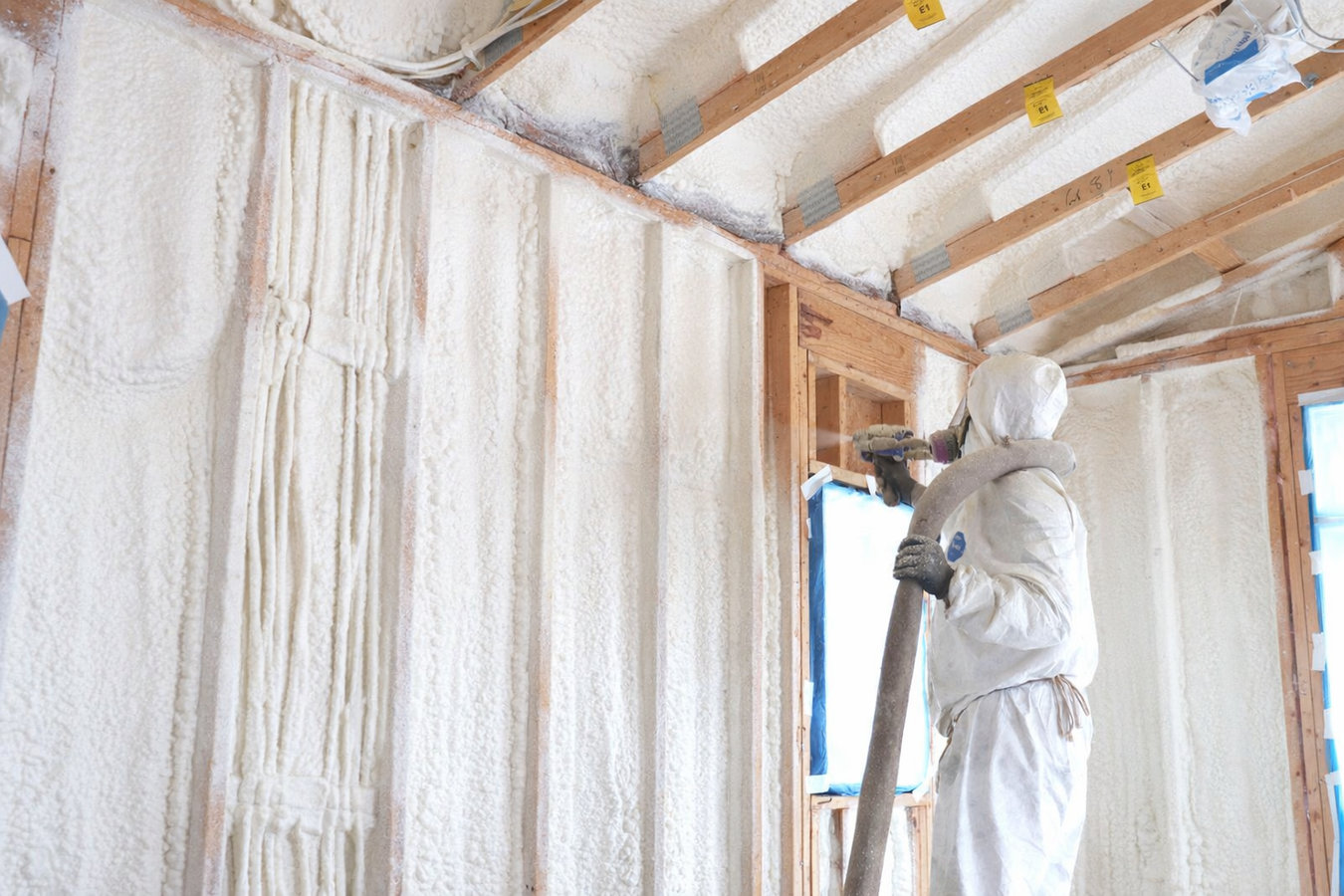
Closed-cell foam is sprayed onto walls, ceilings, or crawl space surfaces as a liquid and expands into a firm, dense layer that hardens within seconds. Unlike fiberglass batts that only slow heat transfer, closed-cell foam seals air gaps and resists moisture at the same time - two things that matter a great deal in Orcutt homes, where marine air from the Pacific carries enough moisture to cause real damage over time if a crawl space or attic is left unsealed.
Because it does two jobs at once, closed-cell foam is the go-to material for crawl spaces in the Santa Maria Valley. It works well alongside open-cell foam insulation, which is softer and more affordable for interior applications where moisture resistance is less critical. Knowing which type fits which area of your home is part of what a good assessment covers.
Many Orcutt homes were built between the 1960s and 1980s - before California had meaningful energy standards - and whatever insulation existed in those crawl spaces and attics has likely degraded or was never sufficient to begin with. Closed-cell foam does not sag, compress, or absorb moisture the way older materials do. The work done today is still performing twenty or thirty years from now.
If your PG&E or SoCalGas bill seems out of proportion to how much you actually use your heating or cooling, poor insulation is one of the most common causes. Orcutt's day-to-night temperature swings mean your system works harder than it should if your home is not properly sealed. A home leaking air is essentially paying to condition the outdoors.
Many Orcutt homes have crawl spaces, and cool marine air that settles into those spaces overnight can seep up through gaps in the floor. If your floors feel noticeably cold first thing in the morning - especially in rooms over the crawl space - that is a strong sign the space below is not properly insulated or sealed.
If you have ever looked into your attic or crawl space and noticed thin, compressed, or missing insulation - or gaps around pipes and wires - your home is losing energy every day. Fiberglass batts installed in the 1970s or 1980s often sag, compress, or absorb moisture over time and lose most of their effectiveness.
Orcutt's marine-influenced air carries enough moisture that unsealed crawl spaces can develop mold and wood rot over time. A musty smell coming from vents or floor registers is often the first sign that moisture is building up in the crawl space. Left unaddressed, this can damage floor joists and subfloor materials.
We assess the target area before quoting a job - the size of the space, how accessible it is, what is already there, and whether any moisture remediation is needed first. The foam is applied in passes to reach the required thickness for both insulation and moisture barrier performance. A reputable installer measures and confirms thickness during and after the job - you can ask to see those readings when we do the final walkthrough.
The installation requires you and your household to leave for at least 24 hours while the foam cures and any residual fumes clear. We schedule around that from the start - no surprises. For projects that also involve other insulation types, we coordinate the sequence so foam goes in first where it is needed, then other materials follow. This work integrates naturally with spray foam insulation broader applications throughout the home.
The most common application in Orcutt - applied to the crawl space walls and rim joist to stop moisture intrusion and cold air infiltration at the foundation.
Applied to the underside of roof decking to create a conditioned attic - seals the roof assembly and removes the attic from outside temperature influence entirely.
The transition between your foundation and floor framing is a significant source of air infiltration in older homes - closed-cell foam applied here provides a tight seal and moisture resistance in one step.
For homes with specific penetrations or areas where other insulation cannot reach, closed-cell foam fills odd shapes and irregular surfaces that batts and blown-in materials leave partially exposed.
Orcutt sits in the Santa Maria Valley, where mild temperatures come with marine air from the Pacific that pushes cool, damp conditions inland - especially in the mornings. Homes here lose energy not just in winter but throughout the year because of that constant temperature swing between day and night. Closed-cell foam's ability to seal air gaps is especially valuable here, because even a modest draft on a cool June morning can keep your HVAC running longer than it should.
Many single-story Orcutt homes have raised foundations with crawl spaces, and those spaces are a major source of energy loss and moisture entry. Closed-cell foam applied to the crawl space walls and rim area is one of the most effective ways to address both problems at once. Homeowners throughout Santa Maria and Nipomo face the same coastal conditions and consistently see the crawl space as the highest-return starting point.
Because Orcutt is unincorporated Santa Barbara County, building permits for insulation projects that require one are issued through the county rather than a city office. We handle permit coordination when it is needed. Most Orcutt homes are served by PG&E for electricity and SoCalGas for natural gas, and both utilities have offered rebate programs for qualifying insulation improvements. We confirm which utility serves your address before scheduling work so rebate documentation gets filed correctly. The Spray Polyurethane Foam Alliance provides industry standards for installation quality that we follow on every job.
When you reach out, we ask a few basic questions about your home - size, what areas you want insulated, and whether any work has been done before. Most contractors in the Santa Maria Valley schedule an in-person visit before giving a price, because the actual condition of your crawl space or attic matters a lot to the final cost. This first call is low-pressure - you are not committing to anything yet.
We look at the areas to be insulated - checking accessibility, what is already there, and whether any prep work is needed before foam can be applied. You will get a written estimate after this visit along with a plain-language explanation of what we found and why we are recommending what we are.
If the job requires a building permit, we handle pulling it before work begins. Before the crew arrives, you will need to clear the access areas and plan to be out of the house for the day and the night that follows. Arrange for pets and family members to stay elsewhere - we confirm the exact re-entry time with you in advance.
The actual spraying goes quickly - the foam expands and hardens within seconds of being applied. A two-person crew can typically complete an average attic or crawl space in a single day. Once you are back in the home, we walk you through the finished work and show you that coverage is complete and even. Keep your paperwork: the permit, warranty, and any utility rebate documentation.
Free in-home assessment. Written estimate before any work begins. We handle permit coordination and rebate paperwork.
(805) 269-8567Closed-cell foam needs to be applied at a minimum thickness to work properly as both an insulator and moisture barrier. We measure and confirm thickness during and after every job - you can ask to see those readings. If a contractor applies foam that is too thin to save time or material, you will not get the savings or protection you paid for.
We know how Santa Barbara County permits work and handle the filing for spray foam projects so nothing stalls your job. Our experienced crews document the finished work so you can see exactly what was done.
Orcutt sits in a zone served by both PG&E and SoCalGas, and each utility has its own rebate program with different paperwork and eligibility rules. We confirm which utility serves your address before the project starts and submit rebate documentation correctly the first time - so you do not have to figure that out yourself.
The 24-hour wait period after foam application is non-negotiable, and we plan around it from the start - no surprises the day of the job. We give you a specific re-entry time before the crew arrives, so you can arrange your schedule and your family's without scrambling.
The U.S. Environmental Protection Agency provides detailed guidance on spray polyurethane foam safety and what homeowners should expect during and after installation. We follow those guidelines on every job and make sure you understand the re-entry protocol before we schedule.
A softer, more affordable foam option suited to interior wall and ceiling applications where moisture resistance is less critical.
Learn MoreThe broader spray foam category - we match the right foam type to each area of your home for the best combination of performance and value.
Learn MoreMost jobs in the Santa Maria Valley area are scheduled within two weeks - reach out now to hold your spot before the busy season.