Serving Orcutt, CA and surrounding areas. (805) 269-8567
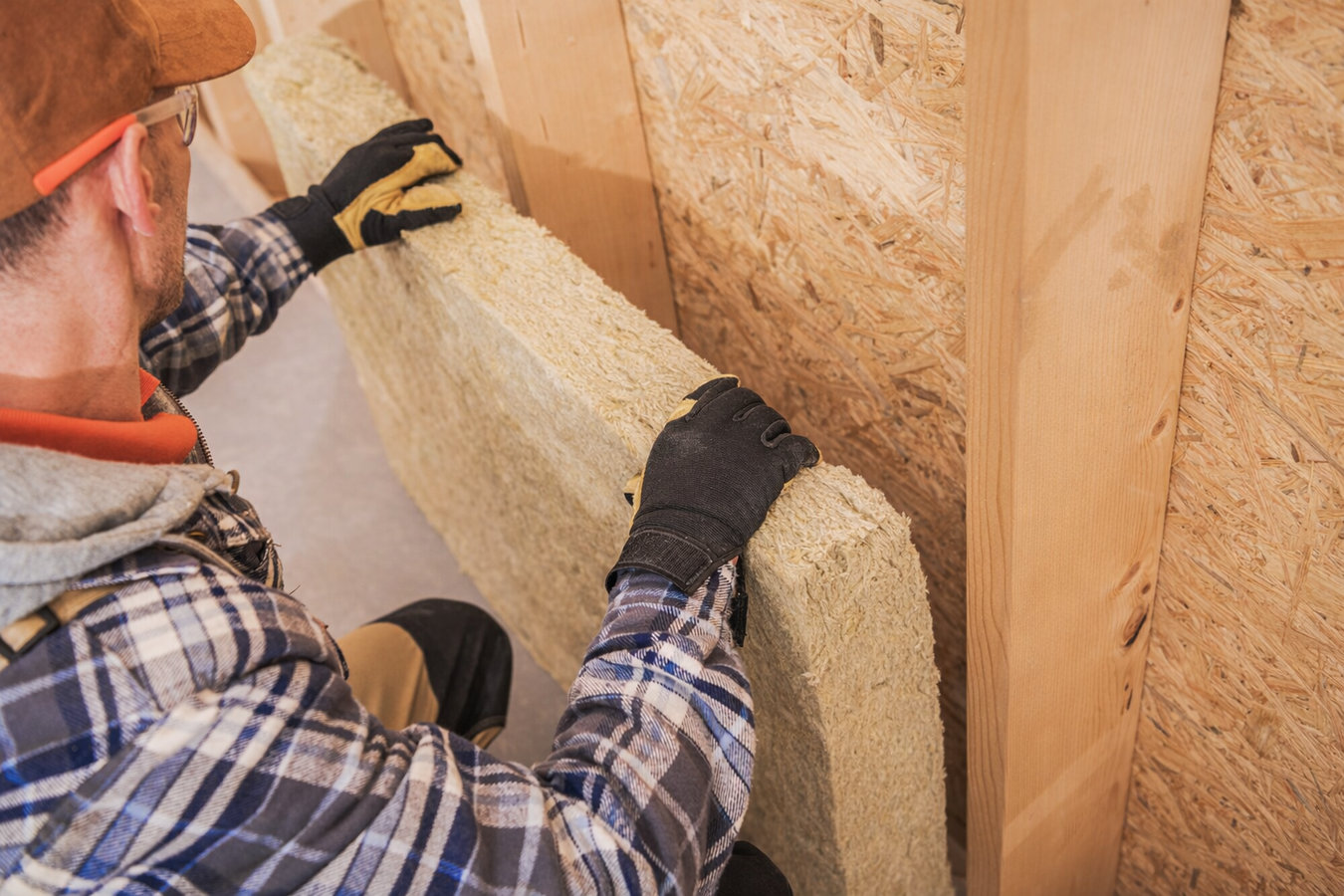
Orcutt Insulation brings wall insulation, attic upgrades, and crawl space moisture control to Lompoc, CA, serving older mid-century homes that have never had a proper energy upgrade. We respond within one business day.
Most Lompoc homes built between the 1950s and 1980s have wall cavities that were either left empty or filled with materials that have long since degraded. Adding wall insulation to these homes reduces the heat loss that drives high energy bills and makes rooms along exterior walls much more comfortable year-round.
Heat escapes through an underinsulated attic year-round - up in summer, out in winter. Lompoc's older ranch-style homes often have original attic insulation that has settled to a fraction of its intended depth, and bringing it up to current standards is one of the highest-return upgrades available for homes of this era.
Lompoc's Lompoc Valley location means overnight marine moisture moves under homes regularly, and crawl spaces in older homes here are particularly vulnerable to humidity buildup, wood rot, and pest activity. Insulating the crawl space floor and walls keeps moisture from affecting the living space above.
Lompoc's coastal fog keeps exterior surfaces damp for hours every morning, and that moisture finds its way through gaps in older stucco homes over time. Air sealing those gaps - around plumbing penetrations, electrical boxes, and attic hatches - reduces both moisture intrusion and energy waste in a single pass.
Spray foam is especially practical for Lompoc crawl spaces and rim joists because it insulates and creates a moisture barrier in one application. For homes near open agricultural land, where dust and pests find their way in through small gaps, spray foam seals the envelope in a way that other insulation materials cannot.
Homes in Lompoc that sit close to agricultural fields or low-lying parts of the valley deal with ground moisture that works its way up through unprotected crawl space floors. A properly installed vapor barrier stops that moisture at the source, protecting floor framing and reducing the humidity that makes first-floor rooms feel cold and damp in winter.
A large share of Lompoc's housing stock was built during the postwar boom years - the 1950s through the 1970s - when Vandenberg Space Force Base was expanding and the city was growing fast to house military families and civilian workers. Homes from that era were constructed before California's current energy codes existed, and many never received meaningful insulation upgrades in the decades since. Wall cavities were often left empty, attic coverage has settled to a fraction of its original depth, and crawl spaces were left open to the ground moisture that moves through the Lompoc Valley year-round.
The climate here adds its own pressure. Lompoc's valley location means the town gets warm, dry summer afternoons and cool, fog-heavy mornings - a daily swing that puts constant stress on a home's ability to hold conditioned air. The persistent coastal moisture that settles in overnight can compress fibrous insulation materials over time, reducing their effectiveness. Homes near agricultural fields on the edges of the valley also deal with dust infiltration and pest activity that enters through the same gaps that insulation should be sealing. Getting these conditions right requires someone who works in Lompoc regularly - not a contractor applying a generic approach from somewhere else.
Our crew works throughout Lompoc regularly, and we understand the local conditions that affect insulation work here. Because Lompoc is an incorporated city, permits come through the City of Lompoc Community Development Department, not a county office - and we pull from there directly when the scope of work requires it. Most of the homes we work on in Lompoc are single-story ranch-style houses built before 1980, and we know what to expect in terms of wall cavity depths, attic access points, and crawl space configurations common to that era of construction.
Lompoc sits in a broad coastal valley about 15 miles inland from the Pacific. The area is known for its flower seed farms that bloom in vivid color each summer - a local landmark visible from H Street and the roads heading east toward the valley's edges. The downtown murals along Ocean Avenue make Lompoc recognizable to anyone who has spent time here. Many of the residential neighborhoods we serve run east from the historic downtown core toward the base of the hills, where ranch homes sit on modest lots with stucco exteriors that show their age in the cracks around windows and corners.
We also work regularly in Vandenberg Village, just north of Lompoc, where the housing stock is similar in age and construction style. If you are in the northern part of Lompoc or closer to the base, those neighborhoods are part of our regular service area as well. For homeowners further south in the Santa Maria Valley, our team covers Santa Maria and the surrounding communities too.
Reach out by phone or through the contact form and we will get back to you within one business day. A quick call covers the basics - your home's age, the areas you want addressed, and any specific problems like drafts or high bills.
We walk through the attic, crawl space, or walls you have flagged and assess what is there now. You receive a written, itemized estimate before any work is scheduled - no obligation and no surprise costs afterward.
The crew arrives with the right materials for your specific job. Most single-area projects in Lompoc are completed in one day, and we handle any required city permits before work begins so the project does not stall.
Before the crew leaves, we walk you through the completed work so you can see exactly what was done. If a permit inspection is required by the city, we coordinate that directly - you do not need to manage it yourself.
Lompoc homeowners get a free, written estimate with no obligation. We reply within one business day.
(805) 269-8567Lompoc is a city of roughly 42,000 people in the Santa Barbara County portion of California's Central Coast, situated in the broad coastal valley about 15 miles inland from the Pacific Ocean. The city has deep roots in agriculture - it became known as the Flower Seed Capital of the World, and the surrounding fields still bloom each summer in time for the annual Lompoc Valley Flower Festival. Downtown is distinctive for its collection of large outdoor murals painted on building facades, which draw visitors from across the region and give the city a visual identity unlike anywhere else in Santa Barbara County.
The residential neighborhoods in Lompoc are dominated by single-story ranch homes built during the postwar boom, when Vandenberg Space Force Base - just northwest of the city - was expanding and bringing a steady stream of military families and civilian workers to the area. Most of the housing stock dates from the 1950s to the 1980s, with smaller lots closer to downtown and larger parcels on the east side of the valley. The city has a notable share of renter-occupied homes by California standards, reflecting the ongoing cycle of military families rotating in and out. Nearby Vandenberg Village to the north shares much of the same character and building stock, and together these two communities form the core of the Lompoc Valley residential market.
High-density closed-cell foam for maximum R-value and moisture control.
Learn MoreProfessional vapor barriers to prevent moisture damage and mold.
Learn MoreOlder homes in Lompoc are losing energy every day through uninsulated walls and crawl spaces. The sooner you address it, the sooner your bills come down.