Serving Orcutt, CA and surrounding areas. (805) 269-8567
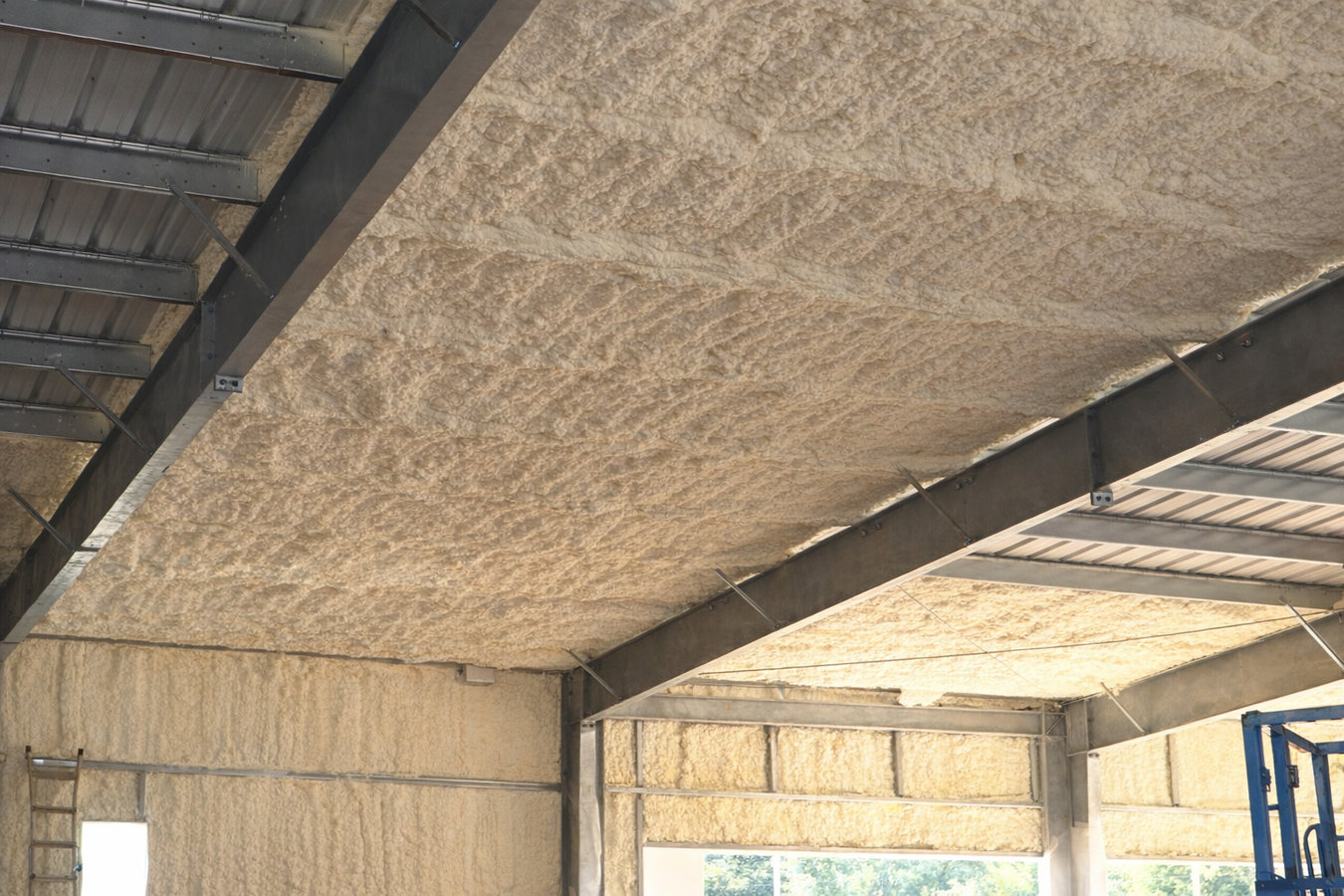
Orcutt Insulation serves Guadalupe, CA with commercial insulation, spray foam, attic upgrades, and crawl space moisture control - bringing one business day response times and written estimates to this close-knit coastal community.
Guadalupe sits just 3 miles from the Pacific, and the salt air and coastal fog that come with that location put extra wear on homes here. We understand what older Guadalupe homes deal with and install insulation that holds up in this environment.
Guadalupe has a mix of older commercial buildings near downtown Guadalupe Street and agricultural support businesses on the edges of town, many with under-insulated roofs and walls that drive energy costs higher than necessary. Our commercial insulation service handles projects of all sizes with written estimates and minimal disruption to operations.
Most homes in Guadalupe were built before 1980, and original attic insulation in these homes has either settled significantly or was minimal to begin with. Upgrading the attic is the single highest-impact insulation improvement available for older Guadalupe homes - reducing heat loss in winter and heat gain in summer from a single installation.
Guadalupe's proximity to the coast means ground moisture and coastal fog combine under older homes in a way that damages wood framing and degrades insulation over time. Crawl space insulation paired with a full vapor barrier addresses both the thermal and moisture problems in one installation, protecting the floor structure and improving comfort in first-floor rooms.
For older Guadalupe homes with empty wall cavities and moisture-prone crawl spaces, spray foam is often the most practical option. Closed-cell foam applied to crawl space walls and rim joists seals and insulates in one pass, while open-cell foam in attics provides strong air sealing alongside thermal coverage. The coastal environment here makes moisture-resistant materials especially important.
The strong afternoon winds that blow through the Santa Maria Valley find gaps in older Guadalupe homes - around plumbing penetrations, electrical boxes, and the tops of interior walls. Air sealing closes those pathways before new insulation goes in, stopping both energy loss and the moisture infiltration that the coastal environment constantly drives into the building envelope.
Ground moisture rising through the sandy and clay soils under Guadalupe homes is a persistent problem in this coastal community. A vapor barrier installed across the crawl space floor stops that moisture at the source, reducing the humidity that causes musty odors, soft flooring, and wood rot in older homes that have never had one installed.
Guadalupe is a small city with a population of about 7,000 people, incorporated in 1906, and a large share of its housing stock was built before 1980 - much of it before modern insulation standards were written. These are modest single-family homes on small in-town lots, predominantly wood-frame construction with stucco or wood siding. Original insulation in these homes, if it was ever installed, has had decades to absorb coastal moisture, compress, and degrade. Many homes have never had a thorough insulation upgrade. Wall cavities were often left empty. Attic coverage has settled to a fraction of its original depth, if any was there to begin with.
The location makes all of this worse. Guadalupe sits about 3 miles from the Pacific Ocean, and the coastal fog that rolls in most mornings keeps surfaces damp for hours at a time. Salt air is corrosive to metal fasteners, exterior finishes, and exposed wood. The strong afternoon winds that blow through the Santa Maria Valley carry both moisture and agricultural dust that finds its way into every gap in older construction. For homes near the Guadalupe-Nipomo Dunes, that coastal exposure is even more direct. Getting insulation right here requires understanding these conditions - not just applying whatever is standard in drier, inland communities.
Our crew works throughout Guadalupe regularly, and we understand the local conditions that affect insulation work here. Permits for insulation work in Guadalupe are issued through the City of Guadalupe, and we pull from that office directly when the scope of work requires it. The homes we work on in Guadalupe are predominantly small, single-story wood-frame houses on compact lots - a construction type we know well from years of working throughout the Santa Maria Valley.
The historic downtown along Guadalupe Street has some of the oldest buildings in the city, and the residential streets that branch off it contain homes dating back to the early and mid-1900s. Guadalupe is also close enough to the dunes that wind-blown sand is a factor - it accumulates in crawl space vents and can work into insulation, reducing its effectiveness over time. These are details that matter when choosing materials and installation methods for homes in this specific location.
We also serve homeowners in neighboring Nipomo, just south along the 101 corridor. Nipomo shares some of the same coastal moisture conditions as Guadalupe, though its housing stock is somewhat newer and its lots tend to be larger.
Reach us at (805) 269-8567 or through the contact form. We respond to all Guadalupe inquiries within one business day. A brief conversation about your home is all we need to schedule an on-site estimate visit.
We visit your home and physically inspect the crawl space, attic, and any areas you have flagged. We check vapor barrier condition, look for moisture and pest issues, and measure what is there before quoting. You receive a written, itemized estimate before any work begins.
Most Guadalupe jobs are completed in one to two days. We handle permit applications when required before work begins. You do not need to leave your home for most insulation work.
Before the crew leaves, we walk you through the completed work so you can see exactly what was done. If a permit inspection is required, we coordinate that directly on your behalf.
We serve Guadalupe homeowners with honest written estimates and one business day response times. Call or submit a request now.
(805) 269-8567Guadalupe is a small city in Santa Barbara County with a population of about 7,000 people, incorporated in 1906 and situated in the Santa Maria Valley about 3 miles from the Pacific Ocean. The city has deep agricultural roots - it is surrounded by some of the most productive farmland in California, including strawberry and vegetable fields that border residential neighborhoods. The historic downtown along Guadalupe Street has older commercial buildings and homes that have been part of the community for generations.
Guadalupe is also known for the Guadalupe-Nipomo Dunes, one of the largest coastal dune systems in the United States, which lies just west of town. The buried remains of Cecil B. DeMille's 1923 film set for "The Ten Commandments" were discovered in these dunes and remain an ongoing archaeological excavation. Neighboring communities include Nipomo to the south and Santa Maria to the east, both of which are also part of our regular service area.
High-density closed-cell foam for maximum R-value and moisture control.
Learn MoreProfessional vapor barriers to prevent moisture damage and mold.
Learn MoreCoastal moisture and older construction are a tough combination. Call us today for a free written estimate with no obligation.