Serving Orcutt, CA and surrounding areas. (805) 269-8567
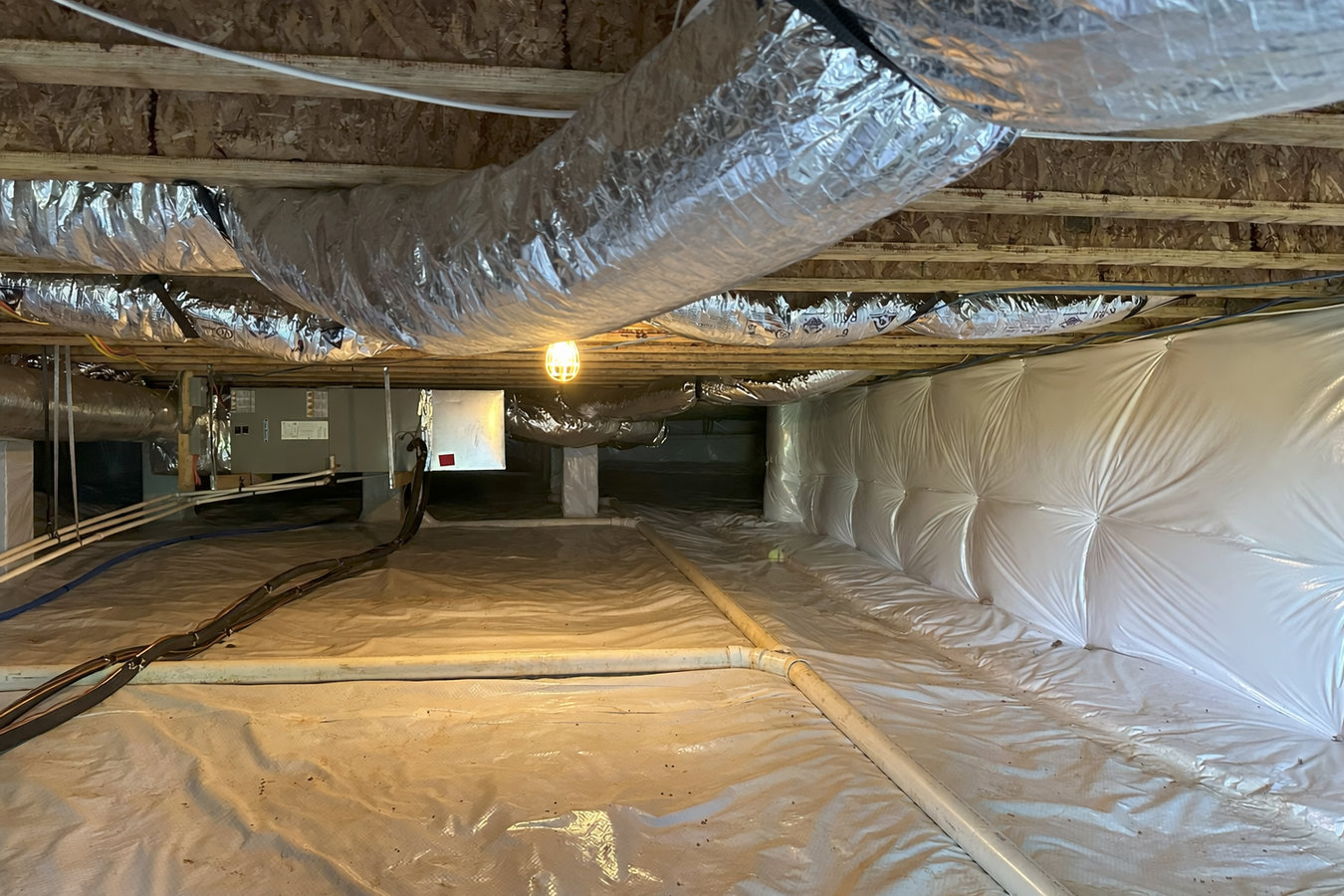
Orcutt Insulation serves Oceano with crawl space insulation, vapor barrier installation, and whole-home insulation upgrades, bringing one business day response times and honest written estimates to homeowners in this coastal San Luis Obispo County community.
Oceano sits right alongside the Pacific Dunes, and that location shapes everything about how homes here age. Sand, salt air, and persistent coastal humidity work on crawl spaces, vapor barriers, and attic insulation in ways that inland homeowners never deal with. We know these conditions and we know Oceano's housing stock.
Oceano's older postwar homes sit on raised foundations, and the crawl spaces beneath them deal with sandy soil, coastal humidity, and degraded insulation that in many cases has never been replaced since the home was built. Our crawl space insulation service addresses the full scope - removing old material, installing a new vapor barrier, and adding proper insulation that holds up in this coastal environment.
Ground moisture rises through sandy soil under Oceano homes year-round, and the marine layer adds more humidity on top of that. A properly installed vapor barrier covering the entire crawl space floor stops that moisture before it reaches your floor joists and insulation. This is not optional in a climate like Oceano's - it is the foundation that makes everything else work.
Many of Oceano's 1950s and 1960s homes have very little insulation in the attic - if any was installed at all, it has likely compressed and degraded over decades. Even in a mild coastal climate, an attic with inadequate insulation adds to your heating and cooling costs every month. Upgrading the attic is often the single highest-impact insulation improvement an Oceano homeowner can make.
The small, low-ceiling attics common in Oceano's postwar tract homes are difficult to work in with traditional insulation batts. Blown-in insulation fills every corner of the space through a hose from outside, with no need to navigate the tight attic in person. It is fast, efficient, and well-suited to the compact home sizes common throughout the community.
In a community where much of the housing stock dates to the 1950s and 1960s, there are a lot of attics and crawl spaces holding insulation that has absorbed moisture, compressed to a fraction of its original depth, or been contaminated by rodents over the years. Putting new insulation over old damaged material is a mistake - removal first ensures the new work performs correctly and lasts.
Wind off the Pacific finds gaps in older Oceano homes - around light fixtures, plumbing penetrations, and the attic hatch. Salt-laden coastal air circulating through those gaps carries corrosive moisture into wall cavities and attic spaces. Air sealing closes those pathways before new insulation goes in, so the insulation does its full job rather than sitting around openings that defeat its purpose.
Oceano is one of the few places in California where residents live right alongside a major dune system. The Oceano Dunes State Vehicular Recreation Area sits at the edge of town, and that proximity means wind-blown sand is a constant factor for homes on the western side of the community. Sand accumulates in crawl space vents, works into insulation, and clogs the air gaps that older insulation systems rely on to function properly. Salt air compounds the problem by corroding metal fasteners, degrading caulk and vapor barriers faster than in inland areas, and carrying moisture into the smallest gaps in a home's envelope.
The housing stock in Oceano is older on average than in many nearby communities. Much of the neighborhood was developed as affordable working-class housing in the postwar decades, and a significant share of those homes have never had a thorough insulation upgrade. Original vapor barriers - if they were installed at all - have long since deteriorated. Crawl space insulation that was adequate for 1960 building standards does not meet what California's current energy code requires, and it does not perform as well as homeowners in a mild coastal climate should expect. Many of these homes also have a higher renter population, meaning deferred maintenance has accumulated in ways that landlord-managed properties often do not address until something fails.
Our crew works throughout Oceano regularly, and we understand the local conditions that affect insulation contractor work here. The compact postwar homes common in this community have low attic clearances and tight crawl space access - conditions that require the right equipment and crew experience to work in safely and efficiently. We also encounter manufactured homes in Oceano, which have different crawl space and underbelly insulation needs than stick-built houses, and we are equipped to handle both.
Oceano runs along Highway 1, and the Oceano Dunes State Vehicular Recreation Area marks the western edge of the community. Most homes here are within one to two miles of the water, which puts salt air corrosion and marine layer moisture in a different category than what homeowners deal with further inland. The historic Oceano Depot, built in 1908, is one of the oldest standing structures in the area - and a lot of the homes here have been around nearly as long, with all the maintenance history that comes with that age.
We serve homeowners throughout the area, including the neighboring city of Pismo Beach to the north. Pismo Beach shares many of the same coastal insulation challenges as Oceano, though its housing mix includes more vacation properties and hillside homes with different construction details.
Reach us at (805) 269-8567 or through the contact form. We respond to all Oceano inquiries within one business day and schedule estimate visits within a few days of your call. No lengthy intake process - just a quick conversation about what you are seeing in your home.
We visit your home and physically inspect the crawl space, attic, and any other areas you have flagged. We measure what is there, check the vapor barrier condition, and look for any moisture or pest issues before quoting anything. You receive a written estimate - no phone quotes, no surprises when the work is done.
Most crawl space and attic jobs in Oceano are completed in one to two days. You do not need to leave your home. If old insulation is coming out first, we bag and remove it in the same visit before putting in the new material. The crawl space access point is cleaned up and secured when the crew leaves.
We walk you through the completed work before the crew packs up - including a look into the crawl space so you can see the vapor barrier and new insulation in place. If a San Luis Obispo County permit was required for your job, we coordinate the inspection and keep the documentation for your records.
We serve Oceano homeowners with honest written estimates and one business day response times. Call or submit a request now.
(805) 269-8567Oceano is an unincorporated community in San Luis Obispo County with a population of roughly 7,200 residents. It sits along the Pacific Coast between Pismo Beach to the north and Guadalupe to the south, with Highway 1 running through the center of the community. Most homes in Oceano are within one to two miles of the ocean. The community is defined in part by its proximity to the Oceano Dunes State Vehicular Recreation Area, the only place in California where vehicles can legally drive on the beach - a draw for visitors from across the state and a defining feature of daily life here.
The community grew quickly after World War II as affordable working-class housing for families who could not afford the prices in nearby Pismo Beach and Arroyo Grande. A large share of Oceano's single-family homes were built in the 1950s and 1960s - small wood-frame houses on compact lots with raised crawl space foundations. Many of these homes have never had a thorough insulation upgrade and still carry the original vapor barriers, or none at all. The community also includes manufactured homes and mobile home parks. Neighboring Pismo Beach to the north and Arroyo Grande a few miles east are the nearest larger communities in the area.
High-density closed-cell foam for maximum R-value and moisture control.
Learn MoreProfessional vapor barriers to prevent moisture damage and mold.
Learn MoreCoastal moisture and aging construction do not wait. Call us today and we will have a written estimate back to you within one business day.